
Why Do Dogs Eat Grass? The Complete Guide to Causes, Benefits, Risks, and When to Worry
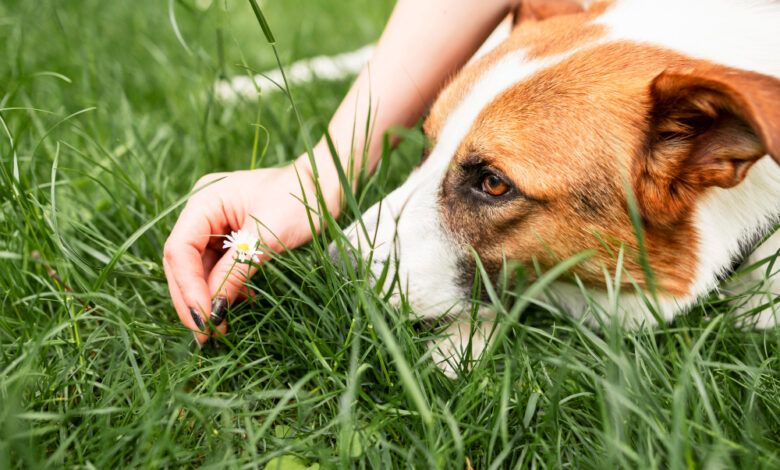
Why do dogs eat grass?
Why do dogs eat grass? This is one of the most common questions dog owners ask after seeing their pets nibbling on the lawn during walks or in the backyard. While this behavior may seem unusual, it is actually quite common. Studies suggest that many healthy dogs eat grass from time to time without experiencing any serious health problems.
There are several theories explaining why dogs eat grass. Some experts believe it is an instinct inherited from their wild ancestors, while others think dogs may simply enjoy the taste or texture. In some cases, grass eating may be linked to boredom, digestive discomfort, or nutritional deficiencies. Understanding the reasons behind this behavior can help you determine whether it is completely normal or a sign that your dog needs veterinary attention.
In this comprehensive guide, you’ll discover the most common reasons dogs eat grass, the potential benefits and risks, when you should be concerned, and practical tips for keeping your dog healthy and safe.
What Is Why Do Dogs Eat Grass?
The phrase why do dogs eat grass refers to the natural behavior of dogs chewing or swallowing grass. Veterinarians consider occasional grass eating to be normal for many healthy dogs.
Although dogs are classified as carnivores, they are also opportunistic eaters. Their digestive systems can process certain plant materials, and many dogs naturally consume small amounts of vegetation.
Research has shown that most dogs that eat grass do not appear to be sick beforehand, and only a small percentage vomit afterward. This suggests that grass eating is usually a normal behavior rather than an attempt to induce vomiting.
Benefits of Dogs Eating Grass
Although grass should never replace a balanced canine diet, eating small amounts may provide a few benefits.
1. Adds Dietary Fiber
Grass contains natural fiber that may help support healthy digestion.
Potential benefits include:
- Supporting regular bowel movements
- Promoting digestive health
- Helping maintain normal stool consistency
- Encouraging healthy gut function
Dogs already receive adequate fiber from quality dog food, but occasional grass may provide a small additional source.
2. Provides Mental Stimulation
Many dogs simply enjoy exploring different textures and scents.
Chewing grass may:
- Reduce boredom
- Increase environmental enrichment
- Satisfy natural chewing instincts
- Encourage healthy outdoor exploration
Dogs that spend more time outdoors often display this behavior.
3. May Satisfy Natural Instincts
Wild ancestors of domestic dogs consumed entire prey, including stomach contents containing grasses and plants.
Some experts believe modern dogs may still retain this instinctive behavior.
Although domesticated dogs have different diets today, natural behaviors often remain.
4. May Help Mild Digestive Discomfort
Some owners notice their dogs eat grass before vomiting.
Although scientists are not certain that dogs intentionally use grass to induce vomiting, some dogs appear to do so when experiencing mild stomach discomfort.
However, most grass-eating dogs do not vomit afterward.
Common Reasons Why Dogs Eat Grass
There is no single explanation that applies to every dog.
The following are the most common possibilities.
| Possible Reason | Description |
|---|---|
| Natural instinct | Inherited behavior from wild ancestors |
| Curiosity | Dogs enjoy new textures and smells |
| Boredom | Dogs chew grass to occupy themselves |
| Mild digestive upset | Some dogs seek grass when their stomach feels uncomfortable |
| Hunger | Grass may temporarily satisfy chewing urges |
| Enjoyment | Some dogs simply like the taste |
How to Respond When Your Dog Eats Grass
Most cases require observation rather than immediate concern.
Step 1: Observe the Behavior
Watch your dog’s habits carefully.
Ask yourself:
- Does your dog eat grass every day?
- Does vomiting occur afterward?
- Is your dog otherwise healthy?
- Has the behavior changed suddenly?
Occasional grass eating without illness is usually normal.
Step 2: Inspect the Grass
Before allowing your dog to chew grass, ensure it has not been treated with:
- Herbicides
- Pesticides
- Fertilizers
- Weed killers
- Chemical sprays
These products pose a much greater danger than the grass itself.
If you are unsure whether chemicals have been used, prevent your dog from eating the grass.
Step 3: Monitor for Symptoms
After eating grass, watch for signs such as:
- Repeated vomiting
- Persistent diarrhea
- Lethargy
- Loss of appetite
- Excessive drooling
- Abdominal pain
If these symptoms develop, contact your veterinarian promptly.
Step 4: Improve Diet and Enrichment
If your dog frequently eats grass out of boredom or hunger, consider making positive lifestyle changes.
Provide:
- Daily exercise
- Interactive toys
- Mental stimulation
- Balanced nutrition
- Regular feeding schedule
Keeping your dog physically and mentally engaged may reduce grass-eating behavior.
When Should You Be Concerned?
While occasional grass eating is usually harmless, certain situations warrant veterinary attention.
Seek professional advice if your dog:
- Eats grass obsessively every day
- Vomits repeatedly after eating grass
- Appears weak or lethargic
- Stops eating normal food
- Has blood in vomit or stool
- Eats large amounts of dirt along with grass
- Shows signs of poisoning after visiting treated lawns
These symptoms may indicate an underlying medical condition that requires diagnosis and treatment.
Part 2 (حوالي 800 كلمة)
Potential Risks of Dogs Eating Grass
Although eating grass is usually harmless, there are situations where it can become dangerous. Understanding these risks helps you determine when your dog’s behavior is normal and when it requires veterinary attention.
Exposure to Harmful Chemicals
The biggest danger is often not the grass itself, but the chemicals that may have been applied to it.
Lawns are commonly treated with:
- Pesticides
- Herbicides
- Fertilizers
- Weed killers
- Insect control products
These substances can be toxic to dogs and may cause vomiting, diarrhea, tremors, seizures, or even poisoning. Always prevent your dog from eating grass in public parks or unfamiliar areas where chemicals may have been used.
Intestinal Parasites
Grass can sometimes carry parasite eggs or larvae left behind by infected animals.
Your dog could become exposed to parasites such as:
- Roundworms
- Hookworms
- Giardia
Keeping your dog on a regular parasite prevention schedule significantly reduces this risk.
Choking Hazard
Some dogs swallow long blades of grass without chewing.
Large amounts may:
- Irritate the throat
- Cause gagging
- Trigger vomiting
- Rarely contribute to intestinal blockage
Dogs that rapidly consume large quantities of grass should be monitored closely.
Underlying Medical Conditions
Frequent or obsessive grass eating may sometimes indicate:
- Gastrointestinal disease
- Nutritional deficiencies
- Chronic stomach irritation
- Inflammatory bowel disease
- Anxiety or compulsive behavior
If grass eating suddenly increases or is accompanied by other symptoms, consult your veterinarian.
Common Mistakes
Many dog owners unintentionally encourage unsafe grass-eating habits.
1. Allowing Dogs to Eat Chemically Treated Grass
This is the most dangerous mistake.
Only allow your dog access to untreated grass.
2. Assuming Vomiting Is Always Normal
Occasional vomiting after eating grass may happen.
Repeated vomiting is not normal and should be evaluated by a veterinarian.
3. Ignoring Sudden Behavioral Changes
If your dog suddenly begins eating large amounts of grass every day, it could signal an underlying health problem.
Behavioral changes deserve attention.
4. Forgetting Mental Stimulation
Dogs that lack exercise or enrichment are more likely to develop repetitive behaviors such as excessive grass eating.
Daily walks, toys, and training sessions help reduce boredom.
5. Delaying Veterinary Care
If grass eating is accompanied by:
- Weight loss
- Persistent diarrhea
- Blood in stool
- Lethargy
- Loss of appetite
Do not wait—schedule a veterinary examination.
Tips From Experts
Veterinary professionals recommend these practical tips:
- Allow only occasional grass eating.
- Prevent access to chemically treated lawns.
- Keep parasite prevention up to date.
- Feed a complete and balanced dog food.
- Provide daily exercise.
- Use puzzle toys to reduce boredom.
- Monitor for vomiting or diarrhea.
- Introduce dietary changes gradually.
- Schedule regular veterinary checkups.
- Contact your veterinarian if the behavior suddenly changes.
Frequently Asked Questions
Why do dogs eat grass if they are not sick?
Many healthy dogs simply enjoy the taste, texture, or instinctive behavior of chewing grass. Most are not trying to make themselves vomit.
Is it normal for dogs to eat grass every day?
Occasional grass eating is normal. Daily or obsessive grass eating should be discussed with your veterinarian.
Why do dogs throw up after eating grass?
Some dogs vomit because grass irritates the stomach. However, most dogs that eat grass do not vomit afterward.
Can eating grass make dogs sick?
The grass itself is usually harmless, but chemicals, parasites, or large quantities may cause illness.
Should I stop my dog from eating grass?
If the grass is untreated and your dog is healthy, occasional grass eating is generally acceptable. Prevent access to treated lawns.
Can puppies eat grass?
Yes. Puppies may chew grass out of curiosity. Supervise them closely and ensure the grass is free of chemicals.
Does grass help dogs digest food?
There is limited evidence that grass provides digestive benefits. While it contains fiber, dogs should obtain most of their nutrition from balanced dog food.
When should I call my veterinarian?
Seek veterinary advice if grass eating is accompanied by repeated vomiting, diarrhea, lethargy, weight loss, blood in the stool, or sudden behavioral changes.
Conclusion
So, why do dogs eat grass? The answer is that there is no single explanation. Most healthy dogs occasionally eat grass because of natural instincts, curiosity, boredom, or simple enjoyment. In many cases, this behavior is completely normal and does not indicate illness.
However, pet owners should remain alert for warning signs such as persistent vomiting, diarrhea, lethargy, or obsessive grass eating. The greatest risk often comes from pesticides, herbicides, and other lawn chemicals rather than the grass itself.
By providing a balanced diet, regular exercise, mental stimulation, and access only to untreated grass, you can help keep your dog healthy while understanding this common canine behavior. If you ever have concerns about why do dogs eat grass, your veterinarian is the best source of personalized advice.