
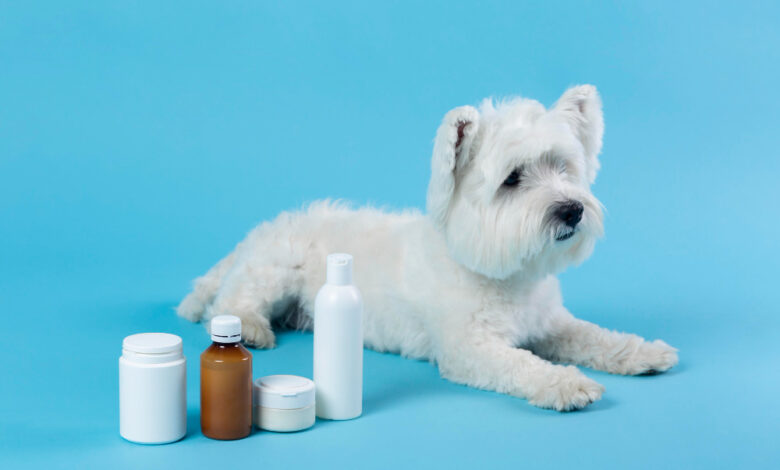
Can Dogs Have Tylenol?
Can dogs have Tylenol? The short answer is Tylenol should never be given to a dog unless it has been specifically prescribed by a veterinarian. Tylenol (acetaminophen) is a common over-the-counter pain reliever for humans, but it can be dangerous for dogs if used incorrectly. Even small doses may cause serious side effects, including liver damage, red blood cell injury, and, in severe cases, death.
In this comprehensive guide, you’ll learn whether Tylenol is safe for dogs, the risks of acetaminophen poisoning, symptoms to watch for, what to do if your dog accidentally ingests Tylenol, safer pain relief options, and expert advice to keep your pet healthy.
What Is Can Dogs Have Tylenol?
The question can dogs have Tylenol refers to whether dogs can safely take the human medication Tylenol, whose active ingredient is acetaminophen.
Unlike humans, dogs metabolize acetaminophen differently. While veterinarians may occasionally prescribe acetaminophen in carefully controlled situations, pet owners should never administer Tylenol on their own. The correct dosage depends on several factors, and accidental overdoses can occur easily.
Tylenol is especially dangerous for cats, but it can also be harmful to dogs when given without veterinary supervision.
Risks of Giving Tylenol to Dogs
1. Liver Damage
Acetaminophen can damage liver cells, leading to liver failure in severe cases.
2. Damage to Red Blood Cells
Tylenol may reduce the blood’s ability to carry oxygen, causing weakness and breathing difficulties.
3. Stomach Upset
Some dogs may experience vomiting, loss of appetite, abdominal pain, or nausea.
4. Life-Threatening Poisoning
Large doses can lead to collapse, organ failure, and death if emergency treatment is delayed.
What to Do If Your Dog Eats Tylenol
Step 1: Determine What Was Ingested
Find out:
- The strength of the Tylenol tablet (for example, 325 mg or 500 mg)
- Approximately how many tablets are missing
- When your dog may have eaten them
Keep the medication packaging if possible.
Step 2: Contact a Veterinarian Immediately
Do not wait for symptoms to appear. Contact your veterinarian or an emergency animal hospital right away for guidance.
Step 3: Follow Professional Instructions
Your veterinarian may recommend immediate evaluation and treatment. Do not try to treat your dog at home unless specifically instructed by a veterinary professional.
Common Mistakes
Avoid these common mistakes:
- Giving Tylenol without veterinary approval.
- Assuming human pain relievers are safe for dogs.
- Waiting for symptoms before seeking help.
- Leaving medications where pets can reach them.
- Giving multiple human medications together.
Tips From Experts
- Only give medications prescribed specifically for your dog.
- Store all medications in secure cabinets.
- Read medication labels carefully.
- Never guess the correct dosage.
- Keep your veterinarian’s emergency phone number accessible.
- Monitor your dog closely after any accidental exposure.
- Schedule regular veterinary checkups for chronic pain conditions.
- Use veterinarian-approved pain medications instead of human drugs.
- Inform your veterinarian about every medication your dog is taking.
- Act quickly if accidental ingestion occurs.
Frequently Asked Questions
Can dogs take Tylenol for pain?
Tylenol should only be given if a veterinarian specifically prescribes it. Never give it on your own.
Is Tylenol toxic to dogs?
It can be. Incorrect doses may cause liver damage, blood disorders, and other serious complications.
What are the signs of Tylenol poisoning in dogs?
Symptoms may include:
- Vomiting
- Loss of appetite
- Weakness
- Difficulty breathing
- Swelling of the face or paws
- Brown or blue gums
- Collapse
Immediate veterinary care is essential.
What should I do if my dog accidentally eats Tylenol?
Contact your veterinarian or an emergency animal hospital immediately, even if your dog appears normal.
Can puppies have Tylenol?
No. Puppies should never receive Tylenol unless specifically prescribed by a veterinarian.
Are there safer pain medications for dogs?
Yes. Veterinarians can prescribe pain medications that are specifically formulated and tested for dogs.
How quickly can Tylenol poisoning occur?
Symptoms may develop within a few hours after ingestion, although timing can vary.
Can one Tylenol tablet hurt a dog?
Depending on the dog’s size, health, and the tablet strength, even a single tablet may be harmful. Always contact a veterinarian if ingestion occurs.
Conclusion
So, can dogs have Tylenol? In general, no. Tylenol should never be given to dogs without direct veterinary guidance because incorrect dosing can lead to serious health problems, including liver damage and life-threatening poisoning.
If your dog accidentally eats Tylenol, seek veterinary advice immediately rather than waiting for symptoms to appear. When your dog needs pain relief, your veterinarian can recommend medications that are safe and appropriate for your pet’s condition.