
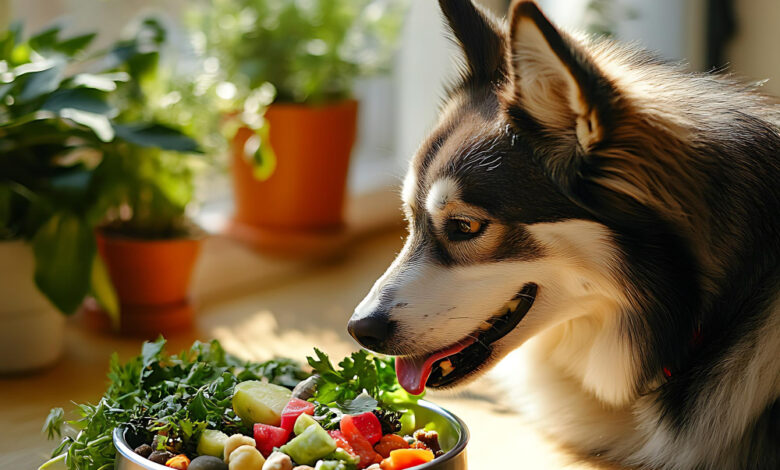
Can Dogs Eat Tomatoes? The Complete Guide to Benefits, Risks, and Safe Feeding
Can Dogs Eat Tomatoes
Can dogs eat tomatoes? This is one of the most common questions dog owners ask when sharing food with their furry companions. The short answer is yes—but only ripe tomatoes in moderation. Fully ripe red tomatoes are generally safe for healthy dogs, while green tomatoes, stems, and leaves contain a naturally occurring substance called tomatine, which can be harmful if consumed in large amounts.
Tomatoes are packed with vitamins, antioxidants, and minerals that may offer health benefits when served properly. However, feeding the wrong part of the tomato plant or offering too much can lead to digestive upset or more serious health concerns. Knowing the difference between safe and unsafe parts of the tomato is essential for every dog owner.
In this comprehensive guide, you’ll learn whether tomatoes are safe for dogs, their nutritional benefits, potential risks, how to prepare them correctly, recommended serving sizes, common mistakes to avoid, and expert advice to help you make informed decisions about your dog’s diet.
What Is Can Dogs Eat Tomatoes?
The question can dogs eat tomatoes refers to whether tomatoes are safe for canine consumption and under what conditions they can be fed.
The answer is yes, but only fully ripe red tomatoes should be offered. The fruit itself contains beneficial nutrients and antioxidants, while the green parts of the plant—including stems, leaves, and unripe tomatoes—contain higher levels of tomatine, which may be toxic to dogs if eaten in significant amounts.
Fresh ripe tomatoes are low in calories and contain several nutrients that contribute to overall health.
| Nutrient | Benefit for Dogs |
|---|---|
| Vitamin A | Supports vision and healthy skin |
| Vitamin C | Antioxidant support |
| Vitamin K | Helps maintain healthy bones |
| Potassium | Supports muscles and nerves |
| Fiber | Promotes healthy digestion |
| Lycopene | Powerful antioxidant |
When prepared correctly, tomatoes can be an occasional healthy treat instead of processed snacks.
Benefits of Can Dogs Eat Tomatoes
1. Rich in Antioxidants
One of the greatest advantages of ripe tomatoes is their high antioxidant content.
Tomatoes contain:
- Lycopene
- Beta-carotene
- Vitamin C
These antioxidants help protect your dog’s cells from oxidative stress caused by free radicals.
Possible benefits include:
- Healthier aging
- Stronger immune function
- Reduced inflammation
- Better overall wellness
Lycopene is especially abundant in fully ripe red tomatoes.
2. Supports Eye Health
Tomatoes contain Vitamin A and beta-carotene.
These nutrients help maintain:
- Healthy eyesight
- Retina function
- Night vision
- Skin health
Although dogs receive Vitamin A from their regular food, tomatoes provide an additional natural source.
3. Helps Maintain Hydration
Tomatoes are made up of approximately 95% water, making them a refreshing snack.
Hydration benefits include:
- Supporting healthy kidneys
- Regulating body temperature
- Preventing dehydration
- Helping active dogs recover after exercise
Fresh tomatoes should never replace drinking water but can provide extra moisture.
4. Supports Healthy Digestion
Tomatoes contain small amounts of dietary fiber.
Fiber helps:
- Improve bowel regularity
- Support beneficial gut bacteria
- Promote healthy digestion
- Reduce occasional constipation
Too much tomato, however, may upset your dog’s stomach, so moderation is essential.
5. Low in Calories
Compared with many commercial treats, tomatoes are naturally low in calories and fat.
Benefits include:
- Healthy reward during training
- Suitable for weight management
- Free from artificial preservatives
- Naturally nutritious
For overweight dogs, small pieces of ripe tomato may be a healthier alternative to high-calorie snacks.
Nutritional Value of Tomatoes
Below is a summary of the nutrients found in fresh ripe tomatoes.
| Nutrient | Health Benefit |
|---|---|
| Water | Hydration |
| Vitamin A | Vision support |
| Vitamin C | Immune health |
| Vitamin K | Bone health |
| Potassium | Muscle function |
| Fiber | Digestion |
| Lycopene | Antioxidant protection |
These nutrients make ripe tomatoes a nutritious treat when served occasionally.
How to Feed Tomatoes to Your Dog
Proper preparation is essential to ensure tomatoes are safe for your dog.
Step 1: Choose Fully Ripe Tomatoes
Always select tomatoes that are:
- Bright red
- Fully ripe
- Fresh
- Firm
- Free of mold
Avoid:
- Green tomatoes
- Unripe tomatoes
- Rotten tomatoes
Green tomatoes contain higher concentrations of tomatine.
Step 2: Remove the Stem and Leaves
Before serving tomatoes:
Remove:
- Stem
- Leaves
- Vine
These parts contain higher amounts of tomatine and should never be fed to dogs.
Wash the tomato thoroughly to remove dirt or pesticide residue before cutting it.
Step 3: Cut into Small Pieces
Slice the tomato into bite-sized pieces based on your dog’s size.
Recommended portions:
| Dog Size | Suggested Serving |
|---|---|
| Small Dogs | 2–3 small pieces |
| Medium Dogs | 4–6 pieces |
| Large Dogs | Half of one medium tomato |
Introduce tomatoes gradually if your dog has never eaten them before.
Step 4: Monitor Your Dog
Offer a few small pieces and observe your dog over the next 24 hours.
Watch for:
- Vomiting
- Diarrhea
- Loss of appetite
- Excessive drooling
- Lethargy
Most healthy dogs tolerate ripe tomatoes well, but every dog reacts differently to new foods.
Can Dogs Eat Tomatoes? (Part 2)
Potential Risks of Feeding Tomatoes to Dogs
Although ripe tomatoes are generally safe for healthy dogs, there are several risks that every pet owner should understand before adding tomatoes to their dog’s diet.
Tomatine Poisoning
The biggest concern with tomatoes is tomatine, a natural compound found in the green parts of the tomato plant.
Tomatine is present in:
- Green tomatoes
- Tomato leaves
- Tomato stems
- Tomato vines
Ripe red tomatoes contain only very small amounts of tomatine and are considered safe in moderation.
If a dog consumes large quantities of green tomatoes or tomato plants, symptoms of tomatine poisoning may include:
- Vomiting
- Diarrhea
- Loss of appetite
- Weakness
- Dilated pupils
- Excessive drooling
- Slow heart rate
- Tremors (in severe cases)
If you suspect your dog has eaten tomato leaves or stems, contact your veterinarian immediately.
Digestive Upset
Even ripe tomatoes can upset some dogs’ stomachs.
Eating too many tomatoes may cause:
- Loose stools
- Gas
- Mild vomiting
- Stomach discomfort
This is why tomatoes should always be introduced slowly and fed in moderation.
Food Allergies
Although uncommon, some dogs may be allergic to tomatoes.
Signs of an allergic reaction include:
- Itchy skin
- Red ears
- Facial swelling
- Excessive scratching
- Hives
- Difficulty breathing (emergency)
If you notice any of these symptoms after feeding tomatoes, stop immediately and seek veterinary care.
Can Puppies Eat Tomatoes?
Yes, puppies can eat small amounts of ripe tomatoes once they are eating solid food.
However:
- Feed only tiny portions.
- Never feed green tomatoes.
- Remove the stem completely.
- Introduce tomatoes gradually.
Young puppies have sensitive digestive systems, so moderation is especially important.
Can Dogs Eat Cherry Tomatoes?
Yes.
Cherry tomatoes are safe if they are:
- Fully ripe
- Red
- Fresh
- Free from stems and leaves
Because they are small, always cut them in half to reduce the risk of choking.
Can Dogs Eat Cooked Tomatoes?
Plain cooked tomatoes are generally safe.
However, avoid tomato products containing:
- Garlic
- Onion
- Salt
- Sugar
- Spices
- Artificial preservatives
Many tomato sauces contain onions and garlic, both of which are toxic to dogs.
Can Dogs Eat Tomato Sauce?
No.
Most commercial tomato sauces contain ingredients that are unsafe for dogs, including:
- Garlic
- Onion
- Salt
- Sugar
- Seasonings
Even if the tomatoes themselves are safe, these added ingredients are not.
Common Mistakes
Many dog owners unintentionally make these mistakes when feeding tomatoes.
1. Feeding Green Tomatoes
Green tomatoes contain significantly more tomatine than ripe tomatoes.
Always choose fully ripe red tomatoes.
2. Leaving the Stem Attached
The stem and vine contain the highest concentration of tomatine.
Always remove them before serving.
3. Feeding Tomato Plants
Some dogs enjoy chewing garden plants.
Never allow your dog to eat:
- Tomato vines
- Leaves
- Stems
These parts may be toxic.
4. Offering Tomato Sauce
Many people assume tomato sauce is the same as fresh tomatoes.
It isn’t.
Commercial sauces often contain toxic ingredients like onions and garlic.
5. Feeding Too Much
Large portions may cause:
- Digestive upset
- Diarrhea
- Stomach pain
Treat tomatoes as an occasional snack—not a daily food.
Tips From Experts
Veterinary nutritionists recommend the following:
- Feed only ripe red tomatoes.
- Wash tomatoes thoroughly before serving.
- Remove stems and leaves completely.
- Cut into bite-sized pieces.
- Introduce tomatoes gradually.
- Feed in moderation.
- Never offer green tomatoes.
- Avoid ketchup and tomato sauce.
- Supervise your dog when trying new foods.
- Contact your veterinarian if your dog eats tomato plants.
Frequently Asked Questions
Can dogs eat ripe tomatoes?
Yes. Fully ripe red tomatoes are generally safe for healthy dogs when served in moderation.
Are green tomatoes toxic to dogs?
Green tomatoes contain higher levels of tomatine and should be avoided.
Can dogs eat tomato plants?
No.
The leaves, stems, and vines contain tomatine and may cause poisoning.
Can dogs eat cherry tomatoes?
Yes.
Cherry tomatoes are safe if fully ripe and served without stems.
Can puppies eat tomatoes?
Yes, but only very small amounts of ripe tomatoes after transitioning to solid food.
Can dogs eat tomato sauce?
No.
Most tomato sauces contain garlic, onions, salt, and seasonings that are unsafe for dogs.
How much tomato can a dog eat?
Small dogs can eat two or three bite-sized pieces, while larger dogs can enjoy half of one medium ripe tomato as an occasional treat.
What should I do if my dog eats tomato leaves?
Contact your veterinarian immediately, especially if your dog begins showing symptoms such as vomiting, diarrhea, weakness, or excessive drooling.
So, can dogs eat tomatoes? Yes—healthy dogs can safely enjoy fully ripe red tomatoes in moderation. Tomatoes provide vitamins, antioxidants, fiber, and hydration, making them a nutritious occasional treat when prepared correctly.
The most important safety rule is to avoid the green parts of the tomato plant. Leaves, stems, vines, and unripe tomatoes contain higher levels of tomatine and should never be fed to dogs. By serving only ripe tomato flesh, cutting it into small pieces, and limiting portion sizes, you can safely include tomatoes as part of your dog’s occasional treats.
As with any new food, introduce tomatoes slowly and monitor your dog for any signs of digestive upset or allergic reactions. If your dog has underlying health conditions or accidentally eats tomato plants, consult your veterinarian promptly.