
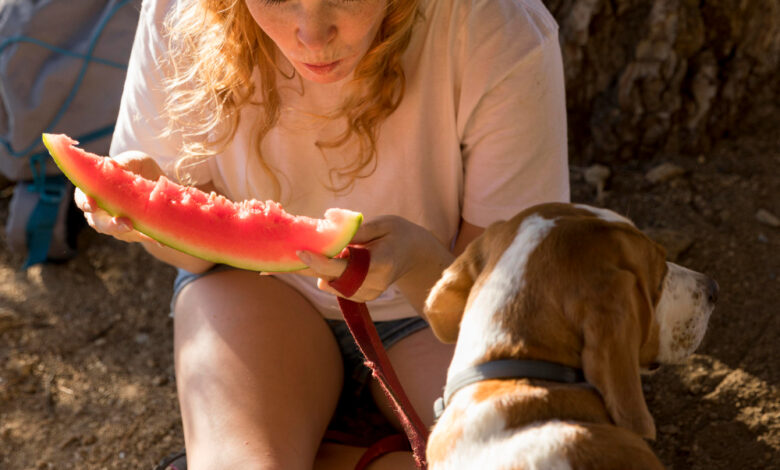
Can Dogs Eat Watermelon?
Can dogs eat watermelon? The answer is yes—dogs can safely enjoy watermelon as an occasional treat when it is prepared correctly. Watermelon is one of the healthiest fruits you can offer your furry friend because it is over 90% water, making it an excellent snack for keeping dogs hydrated during hot weather. It also contains essential vitamins, minerals, antioxidants, and dietary fiber that can contribute to your dog’s overall health.
However, not every part of the watermelon is safe. The rind is difficult to digest, and the seeds may create choking hazards or digestive problems if consumed in large amounts. That’s why it’s important to know how to prepare watermelon properly before sharing it with your pet.
In this complete guide, you’ll learn whether watermelon is safe for dogs, its nutritional value, health benefits, feeding recommendations, serving sizes, potential risks, common mistakes, expert advice, and answers to frequently asked questions. By the end, you’ll know exactly how to make watermelon a safe and refreshing treat for your dog.
What Is Can Dogs Eat Watermelon?
The question can dogs eat watermelon refers to whether the fruit is safe for canine consumption and whether it offers any health benefits.
The answer is yes. Fresh, ripe, seedless watermelon is generally safe for healthy dogs when served in moderation. In fact, many veterinarians recommend watermelon as a healthier alternative to processed dog treats because it is naturally low in calories and fat while being rich in moisture.
Watermelon contains several nutrients that support canine health:
| Nutrient | Benefit |
|---|---|
| Water | Helps prevent dehydration |
| Vitamin A | Supports healthy eyesight and skin |
| Vitamin C | Supports immune function |
| Vitamin B6 | Helps metabolize proteins |
| Potassium | Supports muscles and nerves |
| Fiber | Promotes healthy digestion |
| Lycopene | Powerful antioxidant |
Unlike sugary snacks or commercial treats filled with preservatives, fresh watermelon is a natural option that most dogs enjoy.
Benefits of Can Dogs Eat Watermelon
1. Keeps Dogs Hydrated
One of the biggest reasons veterinarians recommend watermelon is its extremely high water content.
Watermelon contains approximately 92% water, making it ideal during:
- Hot summer days
- After exercise
- Long walks
- Outdoor playtime
While watermelon should never replace drinking water, it can provide additional hydration for active dogs.
Hydration Benefits
- Helps regulate body temperature
- Supports healthy organs
- Reduces risk of dehydration
- Refreshes dogs after physical activity
2. Rich in Vitamins
Watermelon supplies several vitamins that contribute to your dog’s health.
Vitamin A
Vitamin A supports:
- Healthy vision
- Skin health
- Coat condition
- Immune system
Dogs require adequate Vitamin A for normal growth and overall wellness.
Vitamin C
Although dogs naturally produce Vitamin C, additional amounts from fruits like watermelon provide antioxidants that help fight cellular damage.
Benefits include:
- Stronger immune system
- Reduced oxidative stress
- Better tissue repair
- Healthy aging
Vitamin B6
Vitamin B6 helps the body:
- Process protein
- Produce red blood cells
- Support brain function
- Maintain healthy nerves
3. Packed with Antioxidants
Watermelon contains several natural antioxidants, including:
- Lycopene
- Beta-carotene
- Vitamin C
These compounds help protect your dog’s cells from damage caused by free radicals.
Possible long-term benefits include:
- Healthier aging
- Reduced inflammation
- Better immune response
- Support for heart health
Lycopene is especially abundant in ripe red watermelon and gives the fruit its bright color.
4. Low in Calories
Many commercial dog treats contain unnecessary calories, artificial flavors, and preservatives.
Watermelon is different.
One cup of watermelon contains relatively few calories while offering vitamins and hydration.
Benefits include:
- Supports healthy weight
- Better than processed snacks
- Ideal for overweight dogs
- Naturally sweet without added sugar
5. Good Source of Fiber
Although watermelon isn’t extremely high in fiber, it contains enough to support digestion.
Fiber helps:
- Improve bowel movements
- Promote healthy gut bacteria
- Support digestive health
- Prevent occasional constipation
Too much fiber, however, can lead to loose stools, which is why moderation is important.
Nutritional Value of Watermelon
Below is a quick overview of the nutrients found in fresh watermelon.
| Nutrient | Why It Matters |
|---|---|
| Water | Hydration |
| Vitamin A | Vision and skin |
| Vitamin C | Immune health |
| Vitamin B6 | Brain function |
| Potassium | Muscle health |
| Magnesium | Bone support |
| Fiber | Digestion |
| Lycopene | Antioxidant protection |
Because watermelon is naturally low in fat and cholesterol, it makes an excellent healthy reward.
How to Feed Watermelon to Your Dog
Serving watermelon correctly is essential for your dog’s safety.
Step 1: Choose a Fresh Watermelon
Select a watermelon that is:
- Fresh
- Ripe
- Firm
- Free of mold
- Not fermented
Avoid watermelon that has become overly soft or has an unpleasant smell.
Fresh fruit always offers the highest nutritional value.
Step 2: Remove the Seeds
This is one of the most important safety steps.
Both black and white seeds should be removed whenever possible.
Although swallowing one or two seeds may not cause problems in large dogs, eating many seeds can potentially lead to digestive upset or, in rare cases, intestinal blockage—especially in smaller dogs.
Seedless watermelon is the easiest and safest choice for pet owners.
Step 3: Remove the Rind
Never allow your dog to chew on the watermelon rind.
The rind is:
- Difficult to digest
- Tough to chew
- A choking hazard
- A possible cause of intestinal blockage
Only feed the soft, pink or red flesh of the watermelon.
Can Dogs Eat Watermelon? (Part 2)
Step 4: Cut the Watermelon into Bite-Sized Pieces
After removing the seeds and rind, cut the watermelon into small cubes that are appropriate for your dog’s size.
Serving the fruit in manageable pieces reduces the risk of choking and makes it easier for your dog to chew and digest.
Recommended Portion Sizes
| Dog Size | Suggested Serving |
|---|---|
| Small Dogs (Under 20 lbs) | 2–3 small cubes |
| Medium Dogs (20–50 lbs) | 5–7 cubes |
| Large Dogs (Over 50 lbs) | 1 cup of cubes |
Remember that treats, including watermelon, should account for no more than 10% of your dog’s daily calorie intake.
Step 5: Introduce Watermelon Slowly
If your dog has never eaten watermelon before, start with one or two small pieces.
Watch your dog for the next 24 hours.
Signs your dog tolerates watermelon well include:
- Normal appetite
- Normal bowel movements
- No vomiting
- No itching
- Normal activity
If your dog develops diarrhea, vomiting, or excessive gas, discontinue feeding watermelon and consult your veterinarian.
Can Puppies Eat Watermelon?
Yes. Puppies can safely eat watermelon once they have transitioned to solid food.
However:
- Remove every seed.
- Remove the rind completely.
- Cut into very tiny pieces.
- Feed only a few bites.
Young puppies have sensitive digestive systems, so moderation is especially important.
Is Watermelon Good for Senior Dogs?
Absolutely.
Older dogs often benefit from foods with high water content because hydration becomes increasingly important with age.
Watermelon may help:
- Encourage water intake
- Provide vitamins
- Offer a soft, easy-to-chew treat
- Replace higher-calorie snacks
If your senior dog has diabetes or kidney disease, consult your veterinarian before introducing new fruits.
Can Dogs Eat Frozen Watermelon?
Yes.
Frozen watermelon cubes make an excellent summer treat.
Benefits include:
- Helps cool dogs on hot days
- Provides enrichment
- Lasts longer than fresh fruit
- Supports hydration
Avoid giving very large frozen chunks to small dogs because they could become choking hazards.
Can Dogs Eat Watermelon Every Day?
Although watermelon is healthy, it should not become a daily staple.
Too much watermelon may cause:
- Loose stools
- Stomach upset
- Excess sugar intake
- Reduced appetite for balanced dog food
Most veterinarians recommend offering watermelon only occasionally.
Common Mistakes
Many owners accidentally make these mistakes when feeding watermelon.
1. Feeding the Rind
The rind is difficult to digest and may cause intestinal blockage.
Always discard it.
2. Leaving Seeds Inside
Seeds increase the risk of:
- Digestive upset
- Choking
- Intestinal obstruction in small dogs
Choose seedless watermelon whenever possible.
3. Feeding Too Much
Even healthy treats can become unhealthy in excessive amounts.
Large servings may result in:
- Diarrhea
- Gas
- Stomach discomfort
4. Giving Watermelon-Flavored Candy
Products such as:
- Gummies
- Candy
- Popsicles
- Syrups
often contain artificial sweeteners, especially xylitol, which is extremely toxic to dogs.
Only feed fresh watermelon.
5. Ignoring Medical Conditions
Dogs with:
- Diabetes
- Obesity
- Digestive disorders
may require special dietary recommendations.
Consult your veterinarian before making watermelon a regular treat.
Tips From Experts
Veterinary nutritionists recommend these practical tips:
- Choose ripe, fresh watermelon.
- Wash the outside before cutting.
- Remove all seeds.
- Never feed the rind.
- Cut into bite-sized pieces.
- Feed in moderation.
- Introduce slowly.
- Freeze cubes for summer enrichment.
- Store leftovers in the refrigerator.
- Always supervise your dog while eating new foods.
Frequently Asked Questions
Can dogs eat seedless watermelon?
Yes. Seedless watermelon is the safest option because it reduces the risk of choking and digestive issues.
Can dogs eat watermelon rind?
No.
The rind is difficult to digest and may cause stomach upset or intestinal blockage.
Can dogs eat watermelon seeds?
It’s best to remove all seeds before serving watermelon.
Can diabetic dogs eat watermelon?
Watermelon contains natural sugar. Dogs with diabetes should only eat it under veterinary guidance.
Can watermelon cause diarrhea?
Yes.
Too much watermelon can upset your dog’s digestive system because of its fiber and water content.
Can puppies eat watermelon?
Yes, but only in very small seedless pieces.
Can dogs eat yellow watermelon?
Yes.
Yellow watermelon is generally safe if served without seeds or rind.
How often can dogs eat watermelon?
Most healthy dogs can enjoy watermelon as an occasional treat a few times each week.
Conclusion
So, can dogs eat watermelon? Yes—they certainly can. Fresh, ripe, seedless watermelon is a safe, hydrating, and nutritious treat that most dogs love. It provides vitamins A, B6, and C, antioxidants like lycopene, and plenty of water to help keep your dog refreshed, especially during warm weather.
The key is proper preparation. Always remove the seeds and rind, cut the fruit into bite-sized pieces, and serve it in moderation. Watermelon should complement your dog’s balanced diet rather than replace regular meals.
When offered responsibly, watermelon can be a delicious way to reward your dog while supporting hydration and overall well-being.