
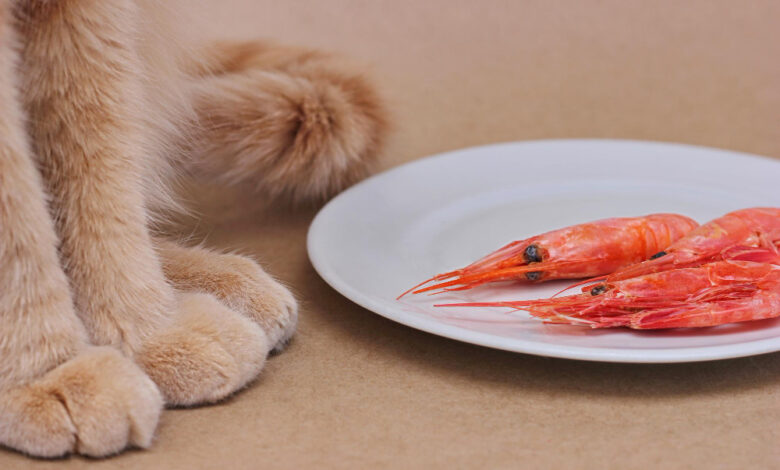
Can dogs have shrimp?
Can dogs have shrimp? The answer is yes—dogs can eat shrimp when it is fully cooked, properly prepared, and served in moderation. Shrimp is a lean source of protein packed with important nutrients such as vitamin B12, phosphorus, selenium, and antioxidants. However, feeding shrimp the wrong way, such as raw, fried, or heavily seasoned, can pose health risks to your dog.
Many pet owners wonder whether shrimp is a healthy treat, how much is safe to serve, and whether puppies can eat shrimp. In this complete guide, you’ll learn everything you need to know about can dogs have shrimp, including its nutritional benefits, potential risks, safe preparation methods, serving sizes, and expert recommendations to help keep your dog healthy.
What Is Can Dogs Have Shrimp?
The question can dogs have shrimp refers to whether shrimp is safe for canine consumption and whether it provides nutritional value.
The good news is that plain, fully cooked shrimp is generally safe for healthy dogs. Shrimp is low in fat and calories while providing high-quality protein that supports muscle maintenance and overall health.
Shrimp also contains several essential nutrients, including:
- Vitamin B12
- Selenium
- Phosphorus
- Niacin
- Iodine
- Omega-3 fatty acids (in small amounts)
Despite these benefits, shrimp should be treated as an occasional snack rather than a replacement for a balanced dog diet.
Nutritional Value of Shrimp
| Nutrient | Benefit for Dogs |
|---|---|
| Protein | Supports muscles and tissue repair |
| Selenium | Helps protect cells from damage |
| Vitamin B12 | Supports nervous system health |
| Phosphorus | Promotes healthy bones and teeth |
| Niacin | Supports metabolism and energy production |
| Iodine | Helps maintain normal thyroid function |
Shrimp is naturally low in carbohydrates and contains relatively little fat, making it suitable for many dogs when served appropriately.
Benefits of Can Dogs Have Shrimp
1. Excellent Source of Lean Protein
Protein is one of the most important nutrients in a dog’s diet.
Shrimp provides:
- High-quality amino acids
- Muscle maintenance
- Healthy tissue repair
- Support for active dogs
Because shrimp is naturally low in fat, it can be a healthier alternative to some processed treats.
2. Rich in Vitamins and Minerals
Shrimp supplies several important nutrients that support overall canine health.
These include:
- Vitamin B12 for nerve function
- Selenium for immune support
- Phosphorus for healthy bones
- Niacin for metabolism
Together, these nutrients help maintain normal body functions.
3. Low in Calories
Compared to many meat treats, shrimp is relatively low in calories.
This makes it a good occasional snack for:
- Dogs on weight management plans
- Older dogs
- Less active dogs
However, portion control is still important.
4. Contains Antioxidants
Shrimp contains antioxidants such as astaxanthin, a naturally occurring compound that gives shrimp its pink color after cooking.
Antioxidants help:
- Protect cells from oxidative stress
- Support healthy aging
- Strengthen the immune system
Although shrimp is not a major antioxidant source, it can contribute to a balanced diet.
How to Feed Shrimp to Your Dog
Preparing shrimp correctly is essential for your dog’s safety.
Step 1: Cook the Shrimp Thoroughly
Always cook shrimp completely before feeding.
Safe cooking methods include:
- Boiling
- Steaming
- Baking
Cooking destroys harmful bacteria and parasites that may be present in raw seafood.
Never feed raw shrimp.
Step 2: Remove the Shell, Tail, and Vein
Before serving shrimp:
- Remove the shell.
- Remove the tail.
- Remove the digestive vein.
These parts can create choking hazards and may be difficult to digest.
Only the cooked shrimp meat should be served.
Step 3: Serve Plain
Do not add:
- Butter
- Garlic
- Onion
- Salt
- Pepper
- Spices
- Oil
- Lemon seasoning
Plain shrimp is the safest option for dogs.
Step 4: Feed Small Portions
Shrimp should only be an occasional treat.
Recommended serving sizes:
| Dog Size | Suggested Amount |
|---|---|
| Small Dogs | 1 small shrimp |
| Medium Dogs | 2–3 shrimp |
| Large Dogs | 3–4 shrimp |
Treats should not exceed 10% of your dog’s daily calorie intake.
Can Puppies Have Shrimp?
Yes, but only after they are eating solid food and only in very small amounts.
Shrimp should always be:
- Fully cooked
- Plain
- Peeled
- Cut into tiny pieces
Introduce shrimp gradually and monitor your puppy for signs of food allergies or digestive upset.
Can Dogs Have Shrimp? (Part 2)
Potential Risks of Feeding Shrimp to Dogs
Although shrimp is generally safe for healthy dogs, there are several risks pet owners should understand before adding it to their dog’s diet.
Raw Shrimp May Contain Harmful Bacteria
Raw shrimp can carry bacteria and parasites, including Salmonella and Listeria, which may cause foodborne illness in both dogs and humans. Symptoms of infection may include vomiting, diarrhea, fever, lethargy, and loss of appetite.
To reduce these risks, always cook shrimp thoroughly before serving it to your dog.
Shells and Tails Can Be Dangerous
Shrimp shells and tails are hard to chew and difficult to digest.
They may cause:
- Choking
- Mouth injuries
- Intestinal blockage
- Digestive discomfort
Always remove the shell, tail, and legs before feeding shrimp.
High Cholesterol Content
Shrimp contains more cholesterol than many other lean protein sources. While dietary cholesterol does not affect dogs the same way it affects humans, dogs with certain medical conditions may require special diets.
If your dog has heart disease, pancreatitis, or other health concerns, consult your veterinarian before feeding shrimp regularly.
Food Allergies
Although uncommon, some dogs may be allergic to shellfish.
Watch for signs such as:
- Itching
- Swollen face
- Hives
- Vomiting
- Diarrhea
- Difficulty breathing
If any of these symptoms occur after eating shrimp, stop feeding it immediately and contact your veterinarian.
Can Dogs Eat Fried Shrimp?
No.
Fried shrimp is not recommended because it usually contains:
- Oil
- Butter
- Salt
- Garlic
- Onion powder
- Breading
- Heavy seasonings
These ingredients increase calories and fat while adding substances that may be harmful to dogs.
Plain cooked shrimp is always the safest choice.
Can Dogs Eat Shrimp Cocktail?
No.
Shrimp cocktail is typically served with cocktail sauce, which often contains:
- Tomatoes
- Sugar
- Salt
- Garlic
- Onion powder
- Spices
The sauce—not the shrimp—is the main concern. Never offer shrimp with sauces or seasonings.
Can Dogs Eat Frozen Shrimp?
Yes, if it is:
- Fully thawed
- Completely cooked
- Plain
- Peeled
Avoid frozen breaded shrimp or products containing added salt and preservatives.
Common Mistakes
Many owners accidentally make feeding mistakes that reduce the health benefits of shrimp.
1. Feeding Raw Shrimp
Raw seafood increases the risk of bacterial contamination.
Always cook shrimp completely.
2. Leaving the Shell On
Shrimp shells are difficult to digest and may create choking hazards.
Always remove them before serving.
3. Using Butter and Seasonings
Dogs should never eat shrimp prepared with:
- Garlic
- Onion
- Salt
- Butter
- Pepper
- Cajun seasoning
Serve shrimp plain.
4. Feeding Too Much
Shrimp should be an occasional treat.
Too much shrimp may contribute to digestive upset or unnecessary calorie intake.
5. Ignoring Allergic Reactions
Every new food should be introduced gradually.
Start with one small piece and observe your dog for 24 hours before offering more.
Tips From Experts
Veterinary nutritionists recommend the following:
- Cook shrimp thoroughly every time.
- Remove shells, tails, and veins.
- Serve plain with no seasoning.
- Introduce shrimp gradually.
- Feed only as an occasional treat.
- Keep portions small.
- Avoid fried or breaded shrimp.
- Monitor your dog for digestive changes.
- Choose fresh or frozen plain shrimp rather than processed products.
- Ask your veterinarian before feeding shrimp to dogs with chronic illnesses or food allergies.
Frequently Asked Questions
Can dogs have shrimp safely?
Yes. Plain, cooked shrimp without shells or seasoning is generally safe for healthy dogs in moderation.
Can puppies eat shrimp?
Yes. Puppies can eat small amounts of cooked shrimp once they are eating solid foods, provided it is chopped into tiny pieces.
Can dogs eat shrimp every day?
No. Shrimp should only be an occasional treat and not replace a balanced dog diet.
Is boiled shrimp safe for dogs?
Yes. Boiled shrimp without salt or seasoning is one of the safest preparation methods.
Can dogs eat shrimp tails?
No. Shrimp tails can become choking hazards and are difficult to digest.
Can dogs eat shrimp shells?
No. Shrimp shells should always be removed before feeding.
How much shrimp can my dog eat?
Small dogs can have one shrimp, medium dogs two to three shrimp, and large dogs three to four shrimp occasionally.
What should I do if my dog eats raw shrimp?
Monitor your dog closely for vomiting, diarrhea, or lethargy. Contact your veterinarian if symptoms develop or if your dog eats a large quantity.
Conclusion
So, can dogs have shrimp? Yes, cooked shrimp can be a healthy and nutritious treat when prepared correctly. It provides lean protein, important vitamins, minerals, and antioxidants that can support your dog’s overall health.
The key is moderation and proper preparation. Always cook shrimp thoroughly, remove the shell and tail, and avoid butter, garlic, onions, salt, or any seasoning. Introduce shrimp slowly and monitor your dog for any signs of digestive upset or allergic reactions.
When served occasionally as part of a balanced diet, shrimp can be a tasty reward that many dogs enjoy. If your dog has existing medical conditions or dietary restrictions, consult your veterinarian before introducing shrimp or any new food.