
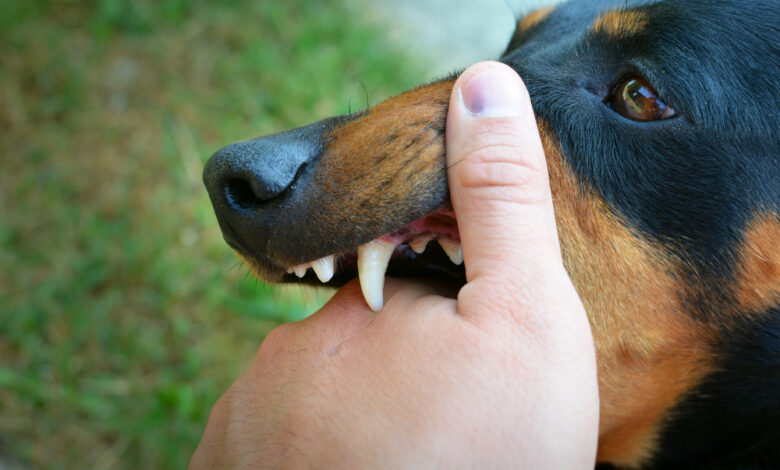
How many teeth do dogs have? This is one of the most common questions asked by new dog owners. A dog’s teeth play a vital role in eating, chewing, grooming, and even defending themselves. Knowing how many teeth your dog should have at different stages of life can help you identify dental problems early and maintain your pet’s oral health.
In this comprehensive guide, you’ll learn how many teeth puppies and adult dogs have, when puppies lose their baby teeth, how adult teeth develop, common dental problems, and expert tips for keeping your dog’s teeth healthy. By the end, you’ll understand everything you need to know about your dog’s dental development.
What Is How Many Teeth Do Dogs Have?
The answer to how many teeth do dogs have depends on their age.
- Puppies have 28 baby (deciduous) teeth.
- Adult dogs have 42 permanent teeth.
Puppies begin developing baby teeth at around 3–6 weeks of age. Between 3 and 7 months, these baby teeth gradually fall out and are replaced by permanent adult teeth.
Adult dogs have:
| Tooth Type | Number |
|---|---|
| Incisors | 12 |
| Canines | 4 |
| Premolars | 16 |
| Molars | 10 |
| Total | 42 |
Benefits of Knowing How Many Teeth Dogs Have
1. Detect Dental Problems Early
Knowing the normal number of teeth helps you notice missing, broken, or retained baby teeth that may require veterinary attention.
2. Improve Oral Health
Understanding your dog’s dental structure encourages regular brushing and preventive dental care.
3. Monitor Puppy Development
Tracking your puppy’s teething process ensures permanent teeth grow correctly and on schedule.
4. Prevent Pain and Infection
Healthy teeth reduce the risk of gum disease, infections, bad breath, and painful chewing.
How to Check Your Dog’s Teeth
Step 1: Calm Your Dog
Choose a quiet environment and gently pet your dog until they are relaxed.
Step 2: Lift the Lips Carefully
Slowly lift your dog’s lips to examine both the front and back teeth. Count visible teeth if needed and check for:
- Broken teeth
- Missing teeth
- Tartar buildup
- Red or swollen gums
- Loose teeth
Step 3: Schedule Regular Dental Exams
Visit your veterinarian for routine dental checkups at least once a year. Professional examinations can detect hidden dental problems before they become serious.
Common Mistakes
Many dog owners unknowingly make these dental care mistakes:
- Assuming puppies should always have 42 teeth.
- Ignoring retained baby teeth.
- Never brushing their dog’s teeth.
- Waiting until bad breath appears before seeking dental care.
- Giving inappropriate chew toys that may crack teeth.
Tips From Experts
- Brush your dog’s teeth two to three times per week using dog-safe toothpaste.
- Begin dental care while your dog is still a puppy.
- Schedule annual veterinary dental examinations.
- Provide veterinarian-approved dental chews.
- Replace damaged chew toys promptly.
- Watch for signs of pain while eating.
- Check your dog’s mouth monthly.
- Feed a balanced diet that supports dental health.
- Never use human toothpaste.
- Seek veterinary care immediately if a tooth is broken or loose.
Frequently Asked Questions
How many teeth do puppies have?
Puppies have 28 baby teeth, which begin appearing around three weeks of age.
How many permanent teeth do adult dogs have?
Healthy adult dogs have 42 permanent teeth.
When do puppies lose their baby teeth?
Most puppies begin losing baby teeth around 3 to 4 months of age and finish teething by about 6 to 7 months.
Is it normal for puppies to lose teeth?
Yes. Losing baby teeth is a natural part of development.
What happens if a baby tooth doesn’t fall out?
Retained baby teeth can interfere with permanent teeth and may require removal by a veterinarian.
Do all dog breeds have the same number of teeth?
Yes. Most healthy adult dogs have 42 teeth regardless of breed, although dental abnormalities can occur.
Why does my dog have bad breath?
Bad breath is often caused by plaque, tartar, gum disease, or oral infections. A veterinary dental exam is recommended.
How often should I brush my dog’s teeth?
Daily brushing is ideal, but brushing at least two to three times per week significantly improves dental health.
Conclusion
So, how many teeth do dogs have? Puppies have 28 baby teeth, while healthy adult dogs have 42 permanent teeth. Understanding your dog’s dental development allows you to recognize potential problems early and provide the proper care needed to maintain healthy teeth throughout their life.
Regular brushing, routine veterinary checkups, and a balanced diet are the keys to preventing dental disease and keeping your dog’s mouth healthy. If you notice missing teeth, swollen gums, or persistent bad breath, consult your veterinarian for a professional evaluation.
see moreCan Dogs Eat Bananas?